Advanced Traffic Management System (ATMS) Solutions for Smart Cities
Posted Byadmin25 May0 Comment(s)227 View(s)
Intelligent Transportation Systems (ITS) are transforming modern mobility by integrating wireless communication, sensors, automation, and data-driven technologies to create safer, more efficient, and better-coordinated transport networks. These systems enable real-time traffic monitoring, adaptive control, and smarter decision-making across urban and highway infrastructure.
By leveraging technologies such as IoT connectivity, AI-powered analytics, and vehicle-to-infrastructure communication, ITS improves traffic flow, reduces congestion, and enhances road safety while supporting sustainability goals through lower emissions and optimized traffic signal coordination.
According to MarketsandMarkets, the global ITS market is projected to reach around USD 68 billion by 2028, growing at a CAGR of 7.1%, driven by rapid urbanization, smart city initiatives, and government investments in road safety and traffic efficiency.
A key enabler within ITS is the Advanced Traffic Management System (ATMS), which provides centralized control for traffic operations, including signal optimization, congestion management, and incident response. ATMS solutions help transportation authorities improve network performance and ensure safer, more reliable journeys.
As smart cities evolve, the integration of ITS and ATMS technologies is becoming essential for building intelligent, scalable, and sustainable traffic management systems that meet future mobility demands.
×
Real-Time Traffic Monitoring & Dynamic Control
Intersections | Highways | Tunnels | Bridges
Variable Message Sign (VMS) Systems
Vehicle-Actuated Speed Display Systems
Video-Based Incident Detection Systems
Travel Time Monitoring & Estimation Systems
Road Weather Information Systems (RWIS)
Automatic Traffic Detection, Counting & Classification Systems
Mobile Radio Communication Systems
Ramp Metering Systems
Emergency Call Box Infrastructure
Slope Stability Monitoring Systems
CCTV-Based Traffic Surveillance Systems
Vehicle Detection Systems
Traffic Enforcement Systems
Adaptive Traffic Signal Control Systems
Tunnel Monitoring & Safety Management Systems
High-Speed Data Transmission Systems
×
Centralized Control Hub
Control Room / Traffic Management Center
Large-Format Video Display System
Central ATMS Server Infrastructure
Traffic Control Operator Workstations
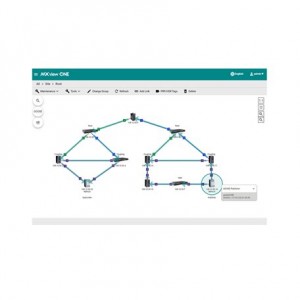
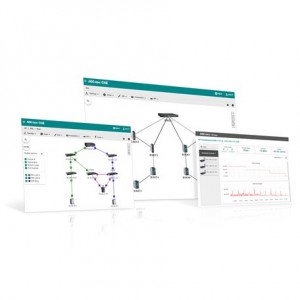
Network Management System (NMS)
Video Recording & Management System
Emergency Call Logger Management System
Understanding Advanced Traffic Management Systems (ATMS)
The Advanced Traffic Management System (ATMS) is a core component of Intelligent Transportation Systems (ITS) that enables real-time traffic monitoring and centralized control of transportation networks.
It acts as an integrated platform that connects multiple traffic subsystems, allowing authorities to manage congestion, improve road safety, and enhance overall mobility efficiency.
In smart city environments, ATMS uses sensors, communication networks, and automated control technologies to optimize traffic flow and support faster decision-making.
By delivering continuous real-time data and coordinated control, ATMS improves travel reliability and helps address modern urban traffic challenges.
FAQs on Advanced Traffic Management Systems (ATMS)
An Advanced Traffic Management System (ATMS) collects real-time data from multiple sources such as cameras, sensors, and traffic signal systems to ensure efficient road network operations. It processes and analyzes this data to help operators monitor traffic conditions, detect incidents, and dynamically adjust signal timings. ATMS also delivers real-time traffic updates to road users, supporting better travel decisions and reducing congestion.
Advanced Traffic Management Systems (ATMS) are a key subset of Intelligent Transportation Systems (ITS) focused on real-time traffic monitoring and control.
While ITS covers a wide range of smart mobility technologies, ATMS specifically manages road traffic using live data, sensors, and automated control systems.
In short, ITS is the broader framework, and ATMS is the traffic management component that improves flow, safety, and efficiency.
ATMS helps address major traffic challenges such as congestion, travel delays, slow incident response, and disruption during special events. By using real-time traffic data, it enables dynamic signal adjustments, incident-based rerouting, and timely driver information.
These capabilities improve traffic flow, reduce bottlenecks, and enhance overall road network efficiency.
ATMS improves road safety by enabling real-time monitoring and rapid response to incidents such as accidents and hazardous road conditions. It enhances efficiency through adaptive signal control, dynamic routing, and optimized use of road capacity, helping to reduce delays and congestion.
It also supports corridor management and strategies like hard-shoulder running, which contribute to smoother traffic flow and a lower risk of collisions.
ATMS supports environmental protection by reducing congestion and vehicle idling through optimized, real-time traffic management. This leads to lower fuel consumption and a significant decrease in harmful vehicle emissions.
By improving traffic flow efficiency and integrating with broader smart city mobility systems, ATMS helps create more sustainable transportation networks and contributes to cleaner, greener urban environments.
ATMS systems incorporate strong cybersecurity measures to protect sensitive data from traffic sensors, cameras, and communication networks. These safeguards typically include data encryption, secure storage, and continuous system monitoring to detect and prevent unauthorized access.
In addition, ATMS solutions are designed to comply with international cybersecurity and data privacy standards, ensuring regulatory compliance while maintaining public safety and protecting personal information.
Addressing Barriers in ATMS Integration and Upgrades
Despite the potential of ITS, particularly within ATMS, several challenges remain. Outdated traffic devices struggle to integrate with modern technology, limiting their effectiveness. A shortage of skilled manpower and expertise hinders ITS infrastructure modernization. Additionally, integrating new technologies introduces cybersecurity vulnerabilities, posing risks to the safety and reliability of transportation networks. Addressing these challenges is crucial for the successful implementation and operation of advanced traffic management systems.
System Commissioning
Upgrading Legacy Infrastructure
×
Replacing Obsolete Infrastructure
Legacy hardware creates barriers to system modernization
Device setup through manual configuration is time-consuming and labor-intensive
System Operation
Improving Adoption Rates
×
Enhancing Digital Adoption
Workforce limitations hinder ITS modernization and optimization efforts
Multi-site management and troubleshooting intensify scaling challenges
On-site interventions are essential to ensure operational continuity
System Maintenance
Countering Cyber Threats
×
Managing Cybersecurity Risks
Device replacement procedures are time-consuming and complex
Limited expertise makes cybersecurity management more challenging
Identifying attack sources and reporting incidents remains difficult
Future-Ready Traffic Infrastructure: Unlock, Control, and Secure with Moxa
At the core of Moxa’s ATMS solutions is a strong focus on reliable, uninterrupted traffic data transmission. This is achieved through built-in redundancy across network and hardware architectures, ensuring continuous data flow even in the event of failures.
In addition, the advanced network management system delivers full visibility into system performance, enabling faster incident detection and response. This improves operational efficiency, reduces downtime, and helps maintain smooth and consistent traffic flow.
Reliable System Access
To enable aging traffic systems for smart infrastructure integration
Full System Visibility
To remotely manage multiple sites, reduce downtime, and address skill gaps
High-Level Cybersecurity
To deliver security management that ensures cybersecurity in connected traffic systems
Upgrading ITS Infrastructure with Moxa’s Tailored Offerings
Find the Right Solution for Your Needs
A
B
C
D
E
F
Optimizing Tunnel Traffic Control and Safety
Supporting Safe and Efficient Urban Mobility
Advanced ATMS Infrastructure for Highway Safety
Intelligent Touchless Parking & Toll Solutions
Smart Traffic Optimization with Transit Signal Priority
Modern Electronic Toll Collection
×
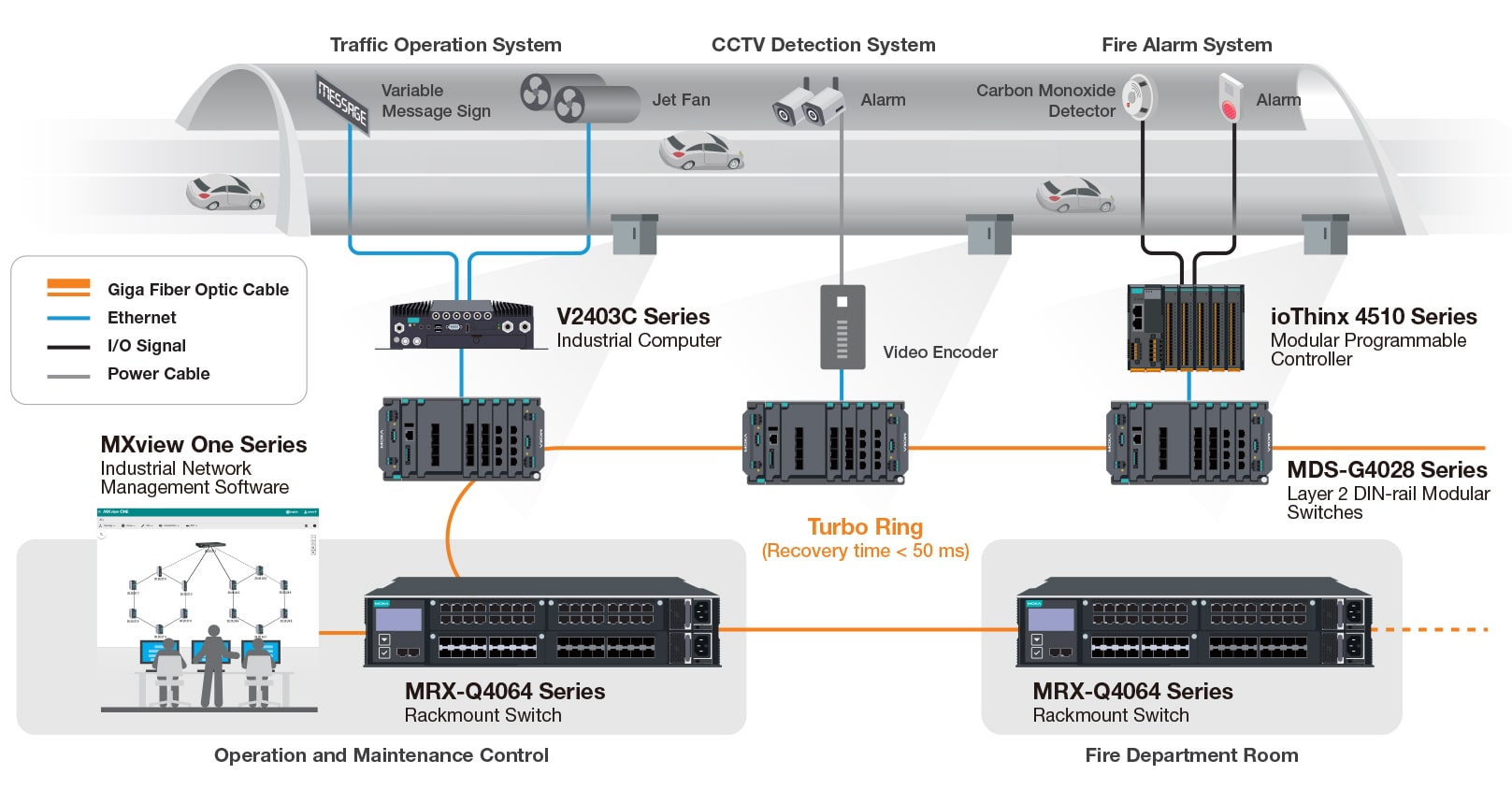
Optimizing Tunnel Traffic Management and Safety
Tunnel control systems play a critical role in monitoring and managing traffic as well as environmental conditions within road tunnels, ensuring safe and efficient operations for all users.
By enabling real-time surveillance and analysis of traffic flow, incidents, and environmental risks, these systems support rapid response actions and proactive management. This helps maintain optimal tunnel performance, improve safety standards, and reduce operational disruptions.
Major Challenges
Reducing tunnel closures and disruptions while ensuring strict safety compliance
Why Choose Moxa
Moxa delivers purpose-built solutions for tunnel control systems, designed to enhance operational efficiency, security, and network visibility:
Intuitive GUI with Advanced Business Connector (ABC) for streamlined Operations & Maintenance (O&M)
IEC 62443 SDLC-compliant device security to strengthen cybersecurity resilience
SNMP v3-enabled I/O and networking for improved asset protection and secure communications
MXview One Series for centralized, comprehensive, and secure network management capabilities
×
Driving Safe and Efficient Urban Transportation
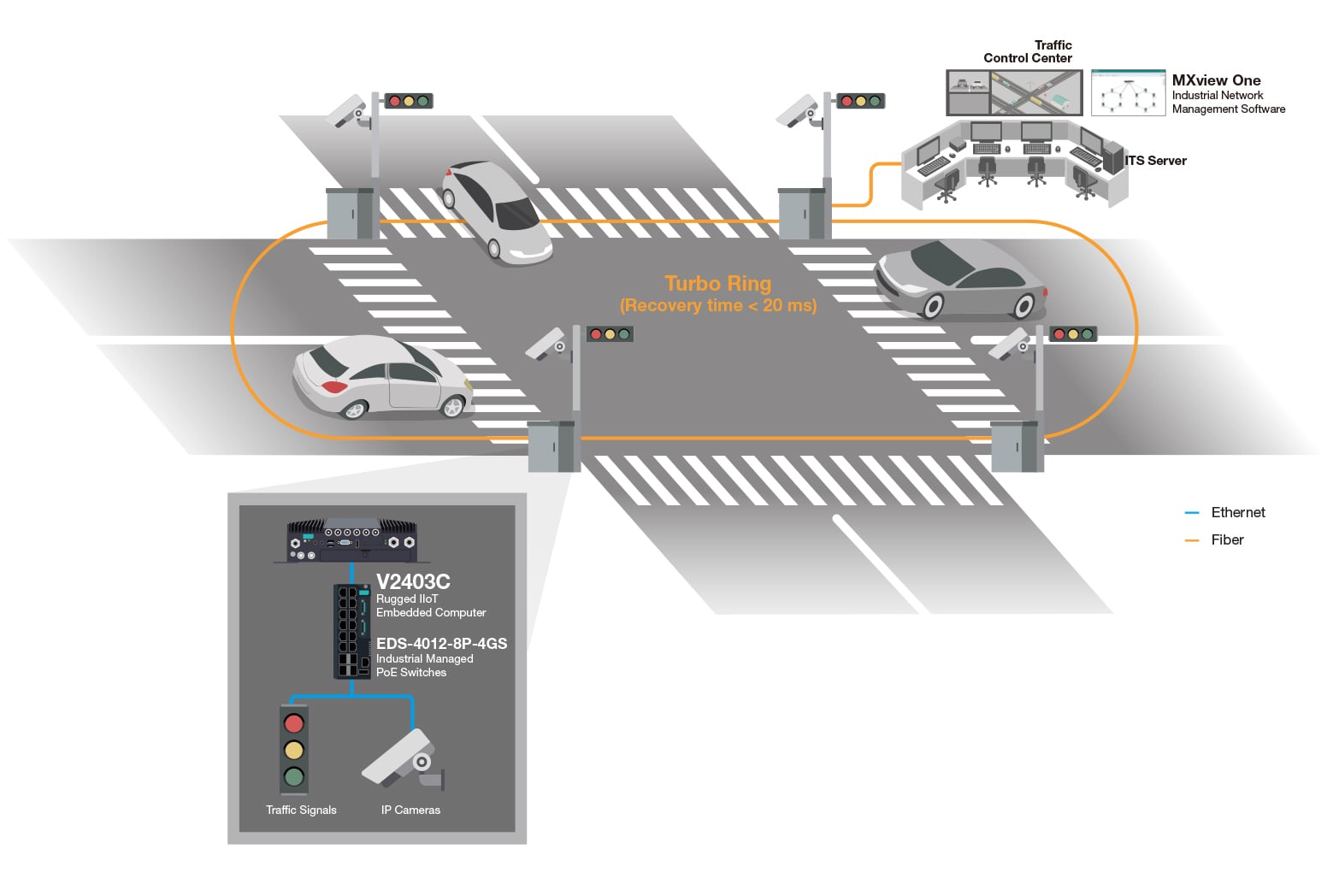
In Advanced Traffic Management Systems (ATMS), effective communication is essential for maintaining safe and efficient urban road networks. Road safety and operational efficiency depend on the continuous availability of real-time data and reliable communication between system components.
ATMS integrates diverse data sources such as traffic flow, vehicle speed, density, weather conditions, and video surveillance. This enables consistent monitoring and supports proactive traffic management across roads, tunnels, and bridges, ensuring smoother traffic flow and improved safety standards.
Major Challenges
Deploying an effective traffic management solution to enable seamless communication between vehicles, operators, and control centers
Enabling remote monitoring for real-time detection and response to on-site failures
Collecting real-time data from a wide range of roadside sensors
Designing robust systems capable of operating in harsh outdoor environments
Why Choose Moxa
:Moxa delivers an end-to-end solution engineered for real-time responsiveness in dynamic Advanced Traffic Management Systems (ATMS) environments:
V2403C Series:High-performance computing platform for ATMS applications, functioning as an RSU to collect sensor and surveillance data.
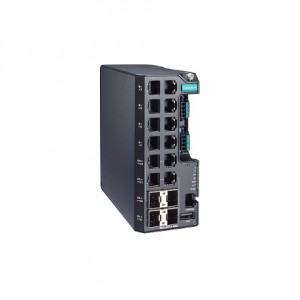
EDS-4012 Series:Managed switches enabling reliable and seamless communication with ATMS servers.
×
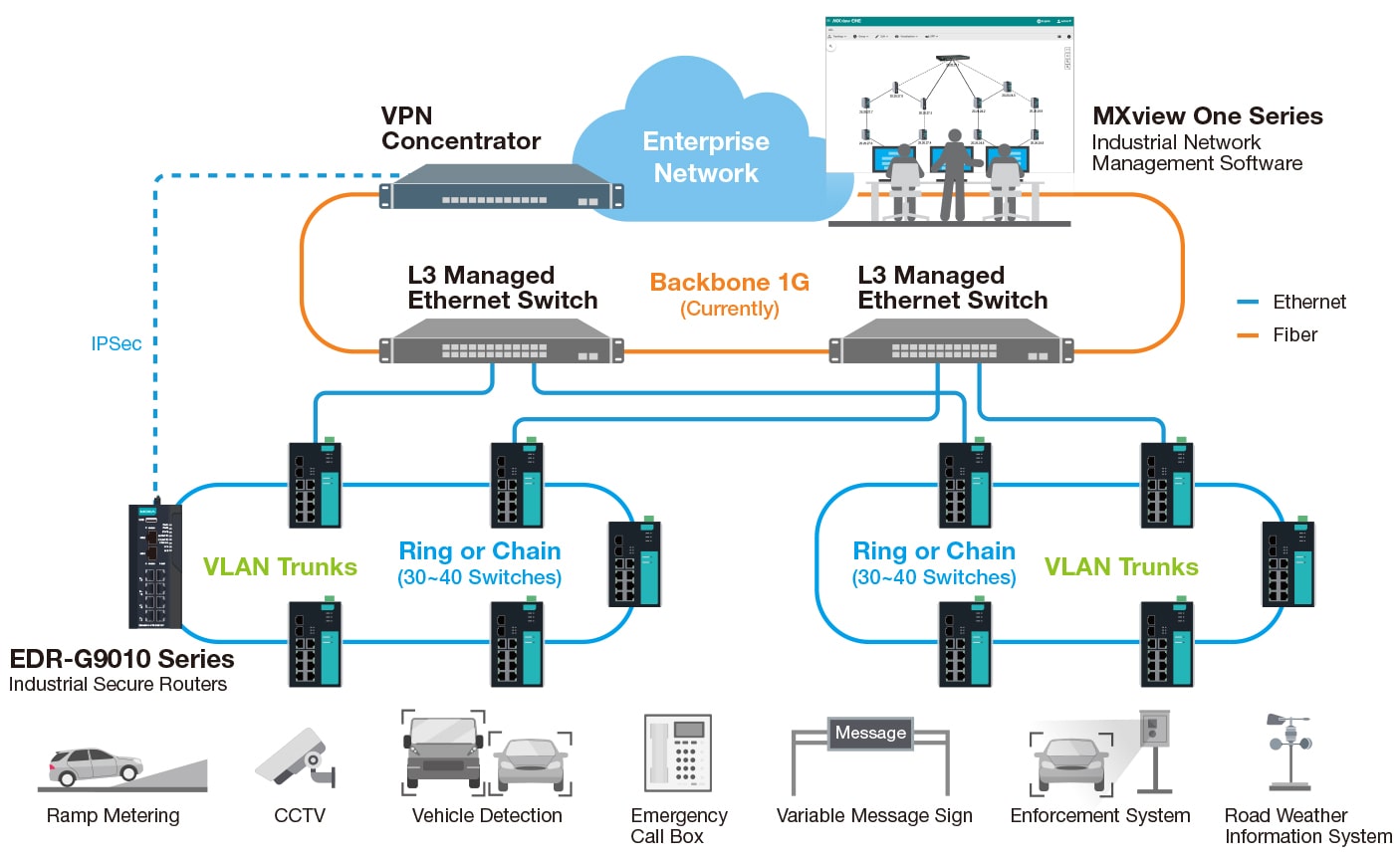
Modernizing ATMS Backbone Systems for Highway Safety
The ATMS highway network backbone is essential for enabling efficient and coordinated traffic management across multiple critical applications.
Ramp metering helps regulate entry flow onto highways, while CCTV surveillance ensures continuous monitoring of road activity for safety and incident detection. Vehicle detection systems deliver real-time traffic density data, supporting dynamic traffic control decisions.
Emergency call boxes provide rapid assistance during incidents, and variable message signs communicate important information directly to drivers. Enforcement systems help maintain compliance with traffic regulations, while road weather information systems deliver real-time environmental updates to support safer driving conditions.
Major Challenges
Modernizing aging critical infrastructure assets
Protecting legacy traffic signal devices against cyber threats
Why Choose Moxa
Moxa provides Ethernet solutions that enable seamless integration of aging critical assets into modern network infrastructures:
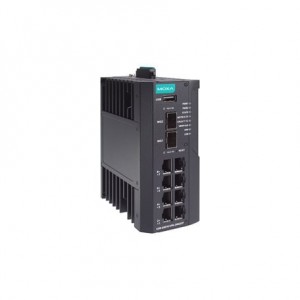
EDR-G9010 Series secure routers deliver strong cybersecurity protection against evolving cyber threats
Wide operating temperature range (-40 to 75°C) ensures reliable performance in harsh outdoor roadside cabinet environments
×
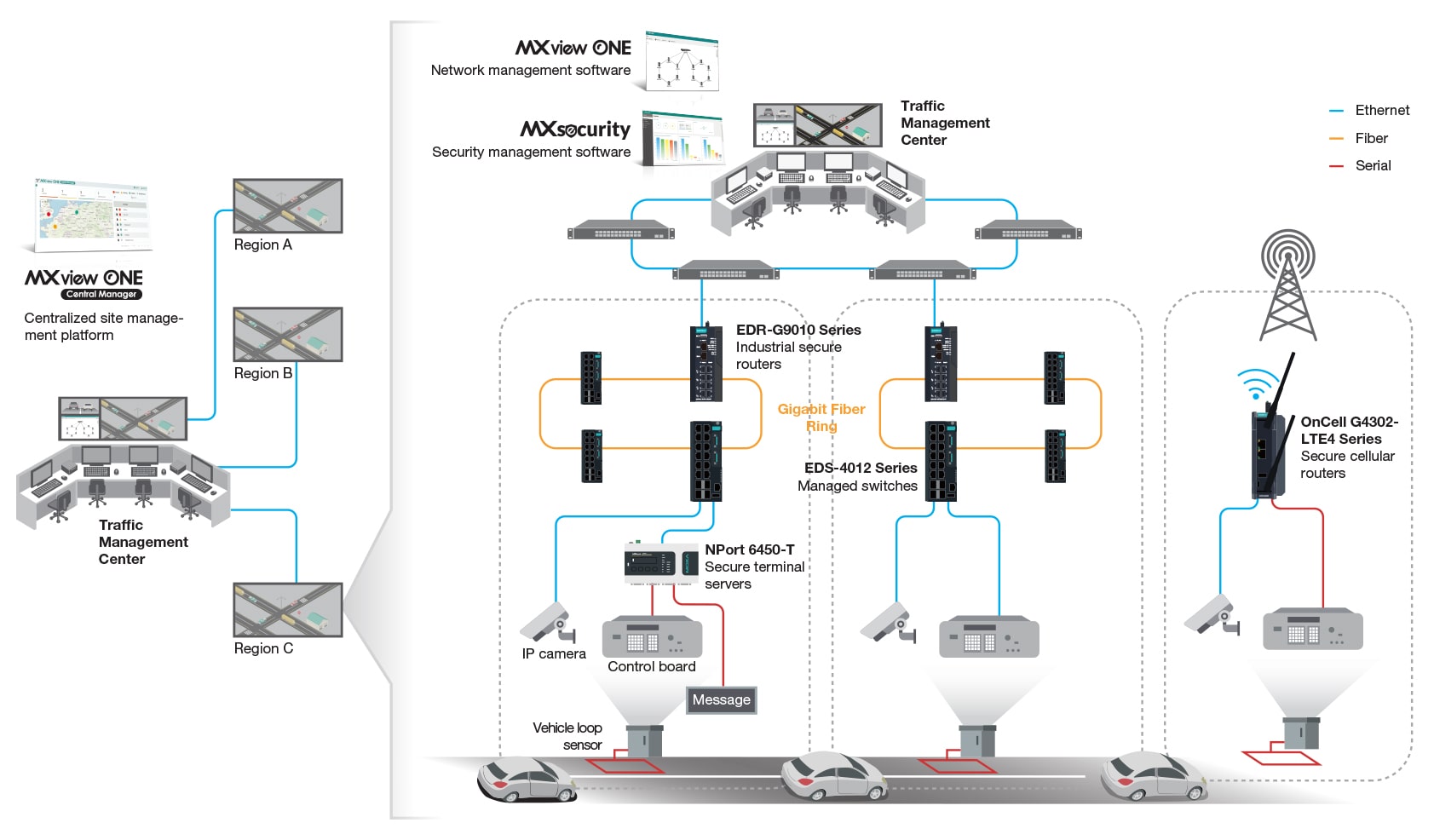
Enhancing Urban Mobility Through Transit Signal Priority Systems
Transit Signal Priority (TSP) is a key Vehicle-to-Everything (V2X) application designed to improve road efficiency by giving priority to public transport vehicles at intersections.
It leverages communication between Roadside Units (RSUs), On-Board Units (OBUs), and Traffic Management Centers (TMCs) to enable coordinated signal control and real-time decision-making.
By providing optimized speed guidance for buses and reducing unnecessary stops, TSP helps minimize delays, improve schedule reliability, and enhance overall public transit efficiency.
Major Challenges
Upgrading aging critical assets to support modern networking capabilities
Limited human resources to manage and maintain extensive smart transportation infrastructure
Increasing cybersecurity vulnerabilities introduced by networked devices
Why Choose Moxa
Moxa provides reliable industrial networking solutions for mission-critical ATMS applications:
Wide-temperature, NEMA TS2-certified devices ensure secure, reliable communication between TMCs, OBUs, and traffic controllers, sustaining effective TSP performance in harsh environments.
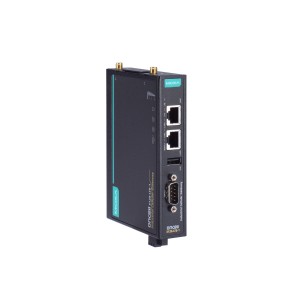
OnCell Series:OnCell Series Wi-Fi and cellular routers enable secure remote access and control across wide roadside networks, delivering reliable connectivity and greater operational flexibility.
×
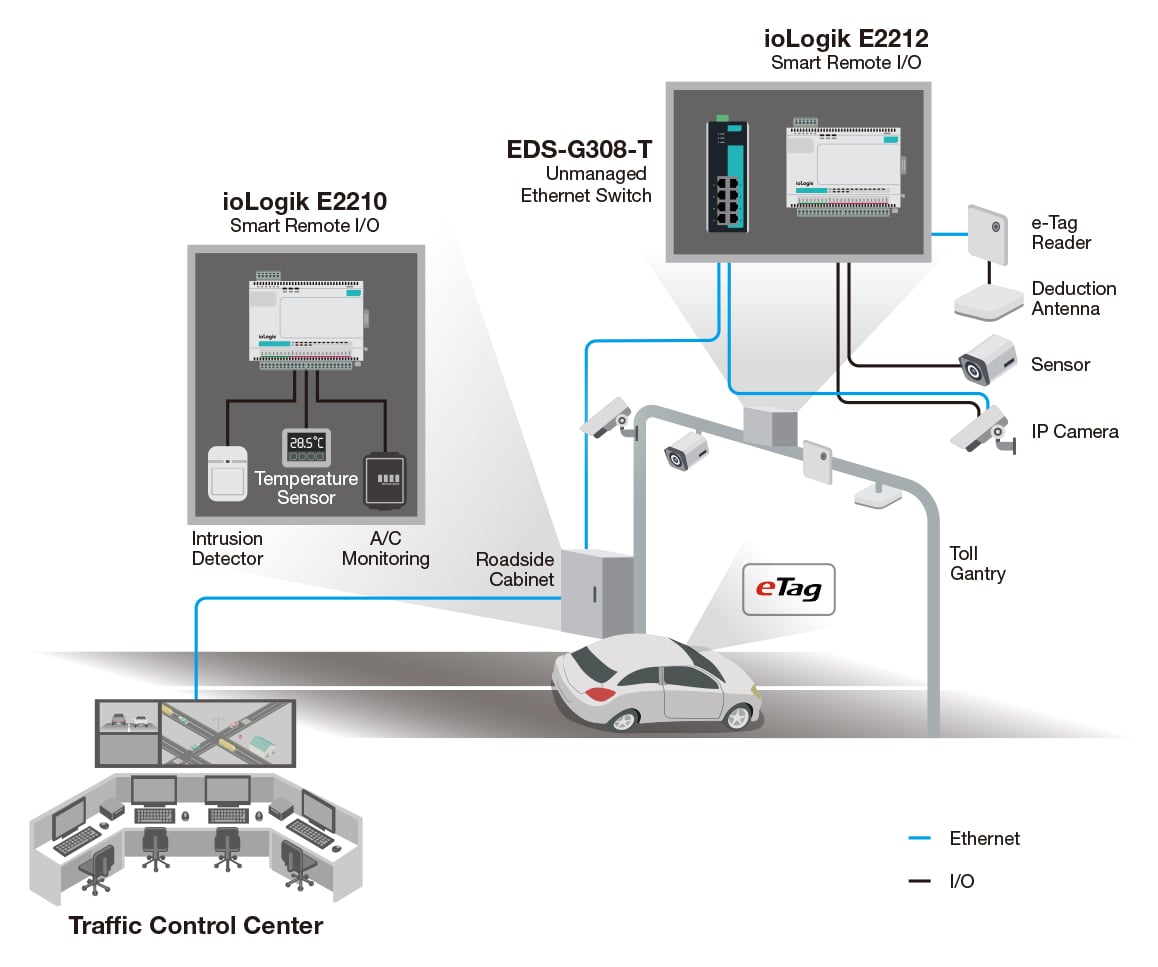
Streamlining Electronic Toll Collection (ETC) for modern traffic systems
The global Electronic Toll Collection (ETC) market is projected to grow at a 6.5% CAGR through 2027, driven by rising adoption of cashless tolling to reduce congestion, accidents, and environmental impact.
Major Challenges
Maintaining ultra-low I/O latency (< 4 ms) for precise IP camera triggering and accurate vehicle snapshot capture
Delivering high-bandwidth performance to support fast, reliable transmission of traffic data and high-resolution images
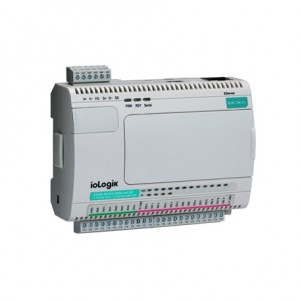
ioLogik E2212 smart remote I/O featuring Click&Go control logic and SNMP v3 support for secure, intelligent edge control
EDS-G308-T unmanaged Gigabit Ethernet switches with fiber-optic support, enabling extended gantry connectivity and reliable high-speed data transmission
Wide operating temperature range (-40 to 70°C) ensuring consistent performance in harsh outdoor ETC and roadside deployments
×
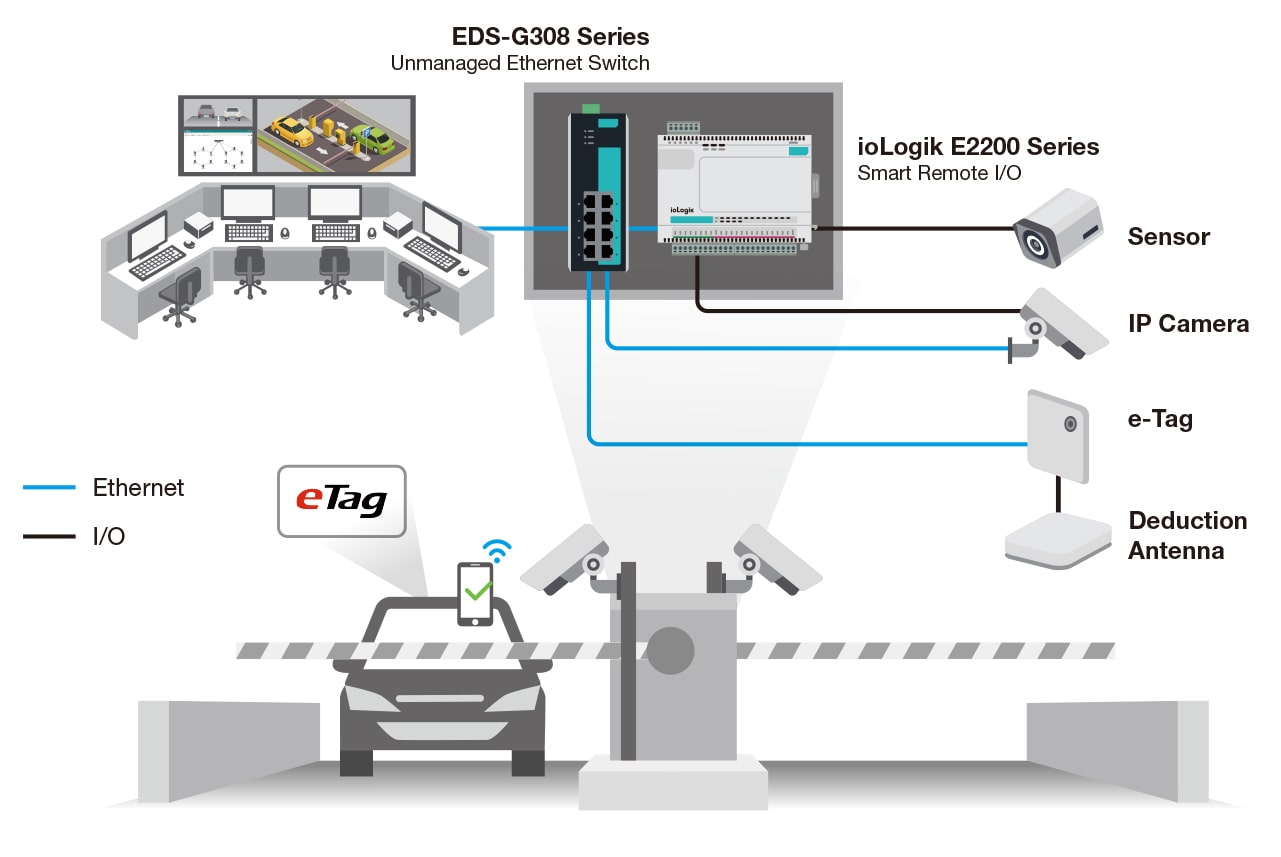
Enhancing parking efficiency with touchless Electronic Toll Collection (ETC) systems
Traditional ticket-based parking often creates delays and inefficiencies. Intelligent touchless Electronic Toll Collection (ETC) systems enable seamless eTag-based access, automatic gate control, and contactless entry/exit. Integrated credit card payments and mobile notifications streamline transactions, improving parking efficiency, user convenience, and operational safety.
Major Challenges
Ensuring seamless integration and 24/7 reliability across diverse parking environments
Managing strict temperature requirements during installation and operation
Why Choose Moxa
1. EDS-G308 Series Unmanaged Ethernet Switches:
Versatile deployment across environments, from underground parking garages to open-air lots
Ensures uninterrupted operation and high system stability in diverse and demanding conditions
2. ioLogik E2200 Series Smart Remote I/O Devices:
User-friendly design that simplifies installation and enables rapid deployment
Engineered for demanding environments, delivering reliable performance with easy operation
Overview of MOXA EDS-G308-2SFP-T SwitchThe Moxa EDS-G308-2SFP-T unmanaged Ethernet switch is built for reliable Gigabit networking in harsh industrial..
The EDS-G308 switches are equipped with 8 Gigabit Ethernet ports and 2 fiber-optic ports, making them ideal for applications that demand high bandwidt..
Overview of MOXA ioLogik E2262 Remote I/OThe Moxa ioLogik E2262 smart Ethernet remote I/O is an efficient device designed for real-time industrial dat..
Overview of MOXA ioLogik E2212-T Remote I/OThe Moxa ioLogik E2212-T smart Ethernet remote I/O is an efficient device designed for real-time industrial..
Overview of MOXA OnCell 3120-LTE-1-EU-T GatewayThe Moxa OnCell 3120-LTE-1-EU-T industrial cellular gateway is an innovative solution designed to provi..
The EDS-4012 Series is a range of 12-port managed Fast Ethernet switches with the option for four 1 Gbps fiber-optic uplink ports. This Series also of..
Overview of MOXA EDR-G9010-VPN-2MGSFP-HV RouterBuilt to meet the rigorous demands of industrial environments, the Moxa EDR-G9010-VPN-2MGSFP-HV industr..
The V2403C Series embedded computers are built around an Intel® Core™ i7/i5/i3 or Intel® Celeron® high-performance processor and come with up to 32 GB..
The V2403C Series embedded computers are built around an Intel® Core™ i7/i5/i3 or Intel® Celeron® high-performance processor and come with up to 32 GB..
Overview of MOXA LIC-MXsecurity-ADD-POWER-MR SoftwareIntroducing the MOXA LIC-MXviewOne-ADD-POWER-MR Network Management Software, Part Number LIC-MXvi..





-150x150.png)