



-150x150.png)



Overview of MOXA SFP-1FE Series
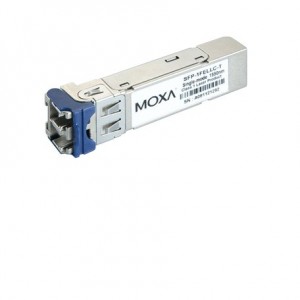
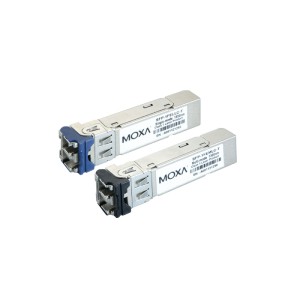
The Moxa SFP-1FE Series is an excellent solution for providing reliable and long-distance fiber connectivity in demanding industrial environments. These modules are used to expand industrial network infrastructure or upgrade existing systems with fiber-based Ethernet. That’s why they are so suitable for the Manufacturing, Automation, water and wastewater, and marine industries. The Moxa SFP-1FE series supports both single-mode and multi-mode fiber options, which means engineers and developers have the flexibility to choose the best configuration for their application. With seamless installation, broad compatibility, and rugged design, the Moxa SFP-1FE modules deliver efficient, stable, and scalable network connections. Notable features include long-distance transmission capability, hot-pluggable LC duplex connectors, and full support for industrial-grade performance standards, all of which make this series a trusted choice for industrial networking applications.
Durable Performance in Harsh Industrial Environments
The Moxa SFP-1FE Series is engineered to deliver consistent network performance even in the harshest conditions. Designed for industrial use, these Fast Ethernet SFP modules operate effectively within a wide temperature range of -40 to 85°C. This particular feature ensures reliability in environments with extreme heat or cold. They are also resistant to high levels of humidity, vibrations, and other environmental challenges commonly found in field operations. With rugged durability and consistent stability, the SFP-1FE modules ensure uninterrupted communication across diverse industrial sectors.
MOXA SFP-1FE Series Features
Advanced Features for Reliable Fiber Connectivity
Equipped with advanced functionality, the Moxa SFP-1FE modules offer engineers precise and reliable performance monitoring and easy integration into existing systems. Their hot-pluggable LC duplex connector allows for quick installation and easy module replacement without requiring system downtime, reducing maintenance costs and complexity. The built-in TTL signal detection provides real-time link status, while differential PECL inputs and outputs guarantee stable and interference-free data transmission. In addition, the digital diagnostic monitoring function tracks key performance indicators such as temperature and optical output, helping engineers maintain stable operation and identify issues before they affect the network.